5 Podiatrist-Backed Hacks to Prevent Rollerblading Injuries and Skate Pain-Free
What we think about Rollerblading!
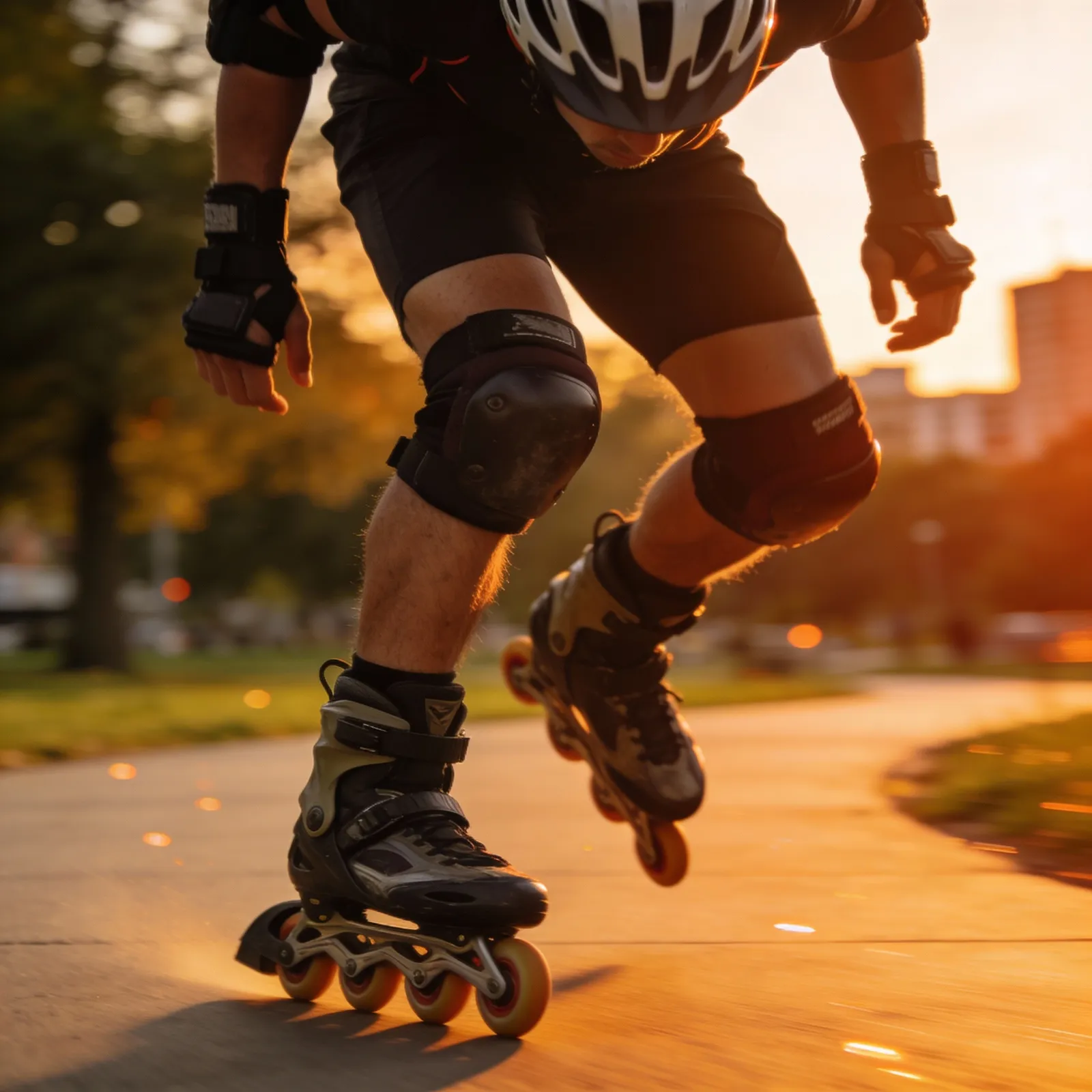
Rollerblading is fantastic for cardiovascular health and mental clarity, but from a podiatrist’s chair, it’s also a setup for very specific foot and ankle problems when the basics—boot fit, technique, and conditioning—aren’t right. The activity combines a stiff boot, a narrow base of support, repetitive push-offs, and frequent sudden decelerations, which creates a unique loading pattern through the lower extremity. As a result, podiatrists commonly see acute ankle sprains and fractures from falls or awkward landings, overuse injuries like plantar fasciitis, Achilles tendinitis, and metatarsal stress reactions from repetitive push-off and impact, plus a host of boot-related issues: nerve irritation on the top of the foot from tight laces, malleolar bursitis from pressure over the ankle bones, and callusing or heel irritation from rigid boot edges. Because the boot restricts normal ankle motion, the shock of each stride and stop has to be absorbed elsewhere, so forces are transmitted up through the foot and ankle and can accumulate into chronic problems over time.
A representative case that captures what many skaters go through is a 34‑year‑old recreational rollerblader who developed severe pain on the inside of her right ankle and under the arch after pushing through a long weekend of skating in a new pair of very stiff boots. She went from casual, once‑a‑week neighborhood sessions to two‑ to three‑hour trail skates, three days in a row, without any preparation or boot break‑in. She described sharp, stabbing pain just below the inside ankle bone when pushing off or turning, visible swelling along the course of the posterior tibial tendon and into the medial arch, and worsening pain when she took the skates off and tried to walk barefoot. On examination, there was localized tenderness along the posterior tibial tendon and medial arch, pain with a single‑leg heel raise, tightness in the Achilles complex with reduced ankle dorsiflexion, and a mild collapse of the arch under load, consistent with a flexible flatfoot pattern. The boot itself had left clear pressure marks and irritation around the medial malleolus where the cuff was digging in. Imaging ruled out a fracture but confirmed posterior tibial tendinopathy with early stress changes in the midfoot, essentially an overworked tendon and bone stressed by a sudden increase in load.
Management in a case like this blends short‑term protection with long‑term correction. Initially, she came off the skates and shifted to relative rest, ice, anti‑inflammatory measures, and a brace to unload the tendon while symptoms settled. From there, we addressed the mechanics: custom orthotic support and in‑boot padding to restore arch support and relieve pressure over the ankle bones, followed by a structured rehabilitation plan focused on calf and posterior tibial strengthening, balance training, and a gradual, scripted return to skating with clear limits on distance and intensity. She did get back to rollerblading, but with a different fit, better support, and a smarter progression, and she remained symptom‑free once the underlying alignment and loading issues were corrected.
From a podiatric perspective, most rollerblade injuries aren’t random; they’re predictable patterns tied to identifiable risk factors. Poorly fitted or overly stiff boots create pressure points, nerve irritation, and limit shock absorption, while sudden jumps in skating volume or intensity—long trail sessions, hills, or multiple consecutive days—greatly increase the odds of overuse tendon and bone injuries. Pre‑existing foot structures like flat feet, high arches, or a history of ankle sprains change how forces distribute inside the boot and can predispose specific tendons and joints to overload. On top of that, many skaters focus on external protective gear such as wrist guards and helmets, which absolutely matter, but pay far less attention to what’s happening inside the skate with support and fit, even though emergency and sports clinics consistently report a meaningful share of lower‑extremity and ankle injuries alongside the well‑known wrist and upper‑extremity fractures.[pmc.ncbi.nlm.nih]
In practice, a podiatrist’s role with skaters is part problem‑solver and part equipment consultant. A careful boot evaluation looks at shell stiffness, cuff height, lacing pattern, and liner quality, followed by small but important modifications—strategic padding, tongue adjustments, or creating space over bony prominences—to reduce pressure and friction. Biomechanical assessment goes beyond just looking at the foot on the exam table; it involves understanding gait and skating posture, assessing arch height, ankle range of motion, and muscle balance to explain why the same tendon, joint, or nerve keeps flaring. Orthotic and in‑boot solutions, whether custom or semi‑custom skate orthotics, can realign the foot inside the boot, support the arch, and distribute load more evenly. For active or competitive skaters, ongoing care can resemble other sports medicine: regular check‑ins, prophylactic taping or bracing, and very early intervention at the first sign of recurring pain or swelling.[
For a public‑facing story, the most useful message is that rollerblading can be both safe and sustainable if people treat it like a real sport rather than casual recreation. Getting properly fitted rather than just picking a size off the shelf—aiming for a snug, secure boot with some toe room and no sharp pressure over the ankle bones or the top of the foot—is one of the simplest ways to prevent trouble. Building up gradually, as you would with a new running program, gives tendons and bones time to adapt instead of going straight into multi‑hour sessions. Simple strength and balance work, like calf raises, single‑leg balance drills, and hip strengthening, pays off in fewer sprains and overuse injuries on skates. The right insole or orthotic skate support can be the difference between recurring arch or ankle pain and pain‑free miles, and persistent arch pain, Achilles soreness, or ankle swelling after skating should be treated as a warning sign, not normal soreness to skate through.
5 Hacks for Safe Rollerblading
Rollerblading can absolutely be a “lifelong sport” instead of a one-summer fling with an injury, if people treat it a bit more like running and a bit less like renting skates at the rink. Here are five practical, podiatry-backed hacks that actually move the needle on injury prevention.
1. Treat the boot like a medical device, not a fashion choice
Most problems start with the wrong boot. A skate that’s half a size off or too stiff in the wrong places will quickly turn into nerve irritation, ankle bone pressure, and arch pain. Aim for a snug, locked-in heel, wiggling toes, and zero sharp pressure over the ankle bones or the top of the foot. m
2. Build your “skate mileage” like a running plan
The fastest way to see a podiatrist is to go from zero to hours on the trail in one weekend. Sudden spikes in volume are linked to overuse problems like plantar fasciitis, Achilles tendinitis, and stress reactions in the midfoot. Start with short, flat sessions, then increase time or distance by small, steady increments week by week instead of big jumps.
3. Strengthen the small stabilizers before you chase speed
Rollerblading exposes every weakness in your calves, intrinsic foot muscles, and hip stabilizers. When those are underpowered, your tendons and ligaments take the hit. A few minutes a day of calf raises, single-leg balance drills, and basic hip work can dramatically cut your risk of sprains and overuse injuries.
4. Upgrade the inside of the skate, not just the wheels
People will happily spend money on better bearings but skate on the flimsy insole that came in the box. Supportive insoles or orthotic skate supports help align the foot, support the arch, and distribute pressure more evenly, which protects tendons and joints over long sessions. Simple tongue pads or ankle donuts can offload pressure points over sensitive bony areas.
5. Treat early soreness like data, not background noise
Persistent arch pain, inner ankle soreness, or a hot, nagging Achilles after skating is usually your first warning sign—not “normal soreness” to push through. Easing back volume, checking fit, adding support, and addressing symptoms early often prevents weeks or months of sidelined skating down the road.
WeTreatFeet Podiatry 410-363-4343
Foot or ankle pain?
Our team is here to help — book a visit at any of our 13 locations.