
What are Ankle Fractures?
At WeTreatFeet Podiatry, our expert team offers prompt care for broken ankle fractures, utilizing advanced techniques for effective treatment and recovery.
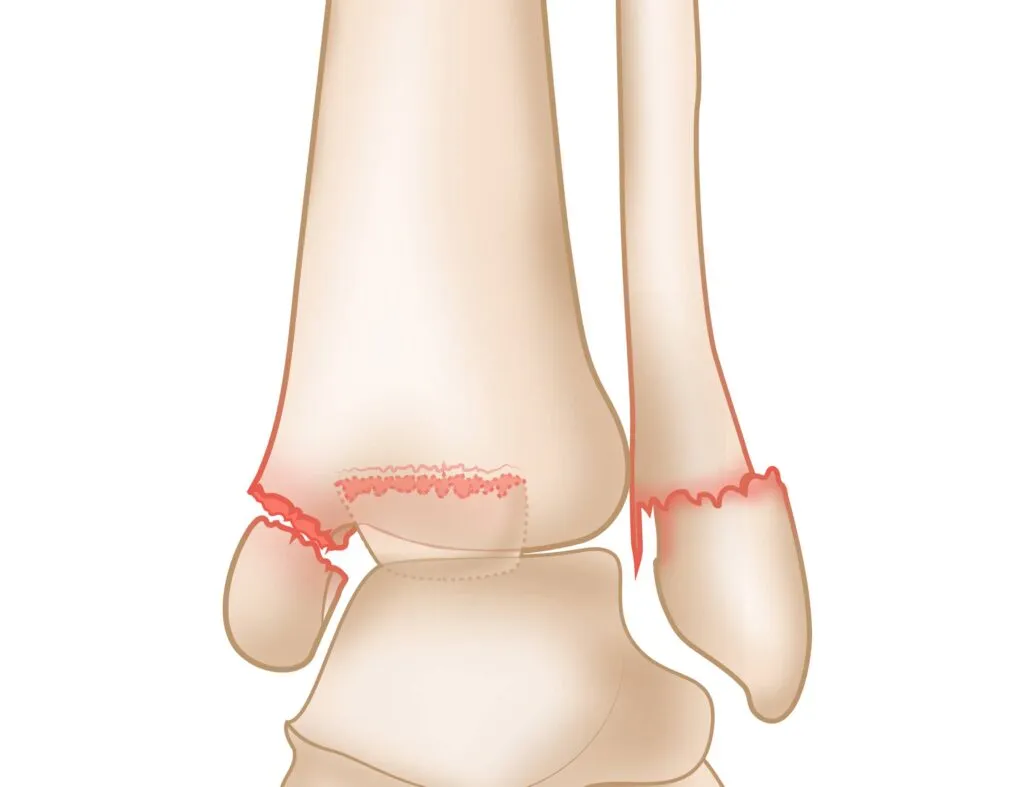
Ankle fractures can be debilitating injuries that significantly impact mobility and quality of life. At We Treat Feet Podiatry, we understand the importance of prompt and effective treatment for ankle fractures. Our team of skilled podiatrists specializes in providing comprehensive care for ankle fractures, utilizing advanced techniques and state-of-the-art technology. In this article, we will explore ankle fractures, their causes, symptoms, and the exceptional treatment options available at We Treat Feet Podiatry.
Ankle fractures occur when any of the three bones in the ankle joint, namely the tibia, fibula, or talus, break or crack. These fractures can be the result of traumatic events, such as falls, sports injuries, or accidents, or they can occur due to underlying conditions like osteoporosis. Ankle fractures can vary in severity, ranging from hairline fractures to more complex breaks.
Accurate Diagnosis and Comprehensive Treatment
When you visit WeTreatFeet Podiatry with a suspected ankle fracture, our expert podiatrists will conduct a thorough examination and utilize diagnostic imaging, such as X-rays or MRI scans, to assess the extent of the injury. With a precise diagnosis, we can determine the most appropriate course of treatment tailored to your specific needs.
- Non-surgical - Immobilization: Utilizing a cast, brace, or walking boot to stabilize the fracture and allow for proper healing.
- Non-surgical - Rest and Elevation: Keeping the affected ankle elevated and avoiding weight-bearing activities to reduce swelling and promote healing.
- Non-surgical Medication: Prescribing pain relievers or anti-inflammatory drugs to manage pain and reduce inflammation.
- Surgical - Open Reduction and Internal Fixation (ORIF): This is the most common surgical method for treating ankle fractures. The procedure involves making an incision to directly access the bones, realigning them (open reduction), and then securing them in place using metal plates, screws, or rods (internal fixation)
- Surgical - Percutaneous Screw Fixation: For certain types of fractures, particularly those that are not severely displaced, surgeons may use a minimally invasive technique. Screws are inserted through small incisions to stabilize the bones.
- Surgical - External Fixation: In cases of severe fractures, especially when there is significant swelling, soft tissue injury, or infection, external fixators may be used. This involves placing screws or pins into the bone from outside the skin and connecting them to a stabilizing frame.
- Surgical - Bone Grafting: In fractures with bone loss or when the fracture has failed to heal (nonunion), a bone graft may be necessary. This involves transplanting bone tissue from another part of the body or using a synthetic bone substitute to promote healing.
- Other surgeries like arthroscopic surgery, Syndesmotic Screw, ligament and tendon repairs
Post-Treatment Rehabilitation
Preventing Ankle Fractures
- Wearing proper footwear: Choose shoes that provide adequate support and stability, especially during physical activities.
- Strengthening exercises: Engaging in regular exercises that focus on ankle strength and stability can help reduce the risk of fractures.
- Fall prevention: Taking precautions to avoid falls, such as keeping walkways clear, using handrails, and using appropriate lighting in dimly lit areas.
Experiencing Foot or Ankle Pain?
We're here to help. Connect with our expert doctors today.
Related Foot & Ankle Surgery
Lapiplasty Bunion Surgery
Learn how Lapiplasty bunion surgery at WeTreatFeet Podiatry offers advanced treatment for lasting bunion correction with quicker recovery.
Learn more →Smart Toe Implant
Below you'll be able to read a detailed summary of the Smart Toe Implant, how it works and when it's most effectively used. Hammertoes are usually the condition
Learn more →Hammertoe Surgery
Discover how hammertoe surgery can relieve pain and restore mobility with minimal downtime. Take your first step toward comfort today.
Learn more →