
What are Shin Splints?
Learn about shin splints, their symptoms, effective treatments, and prevention methods to alleviate pain and improve leg health.
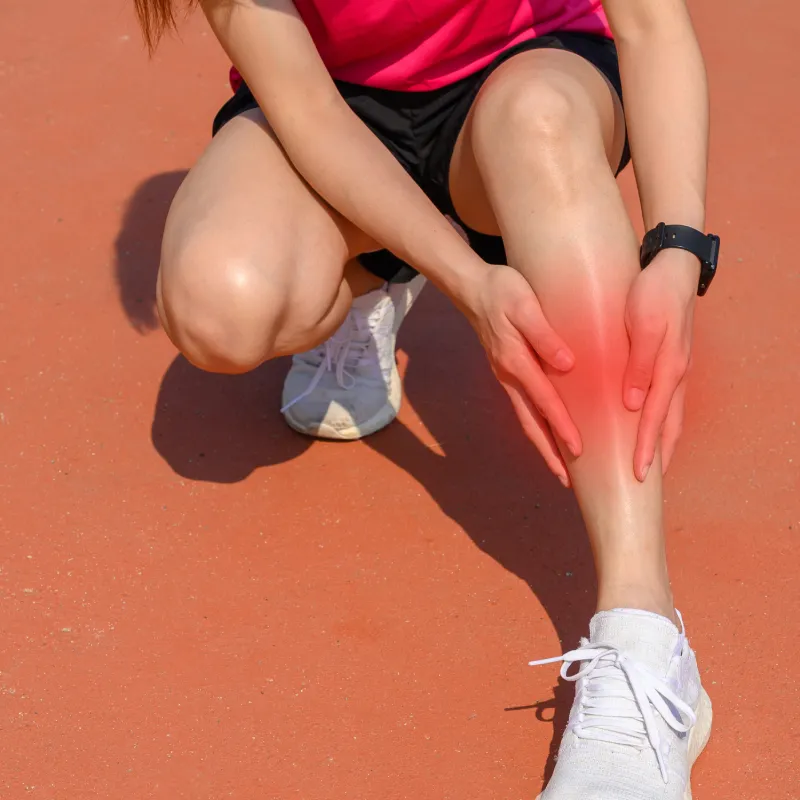
Shin splints, medically known as medial tibial stress syndrome, are a common injury particularly among runners, dancers, and military recruits. They manifest as pain along the shinbone (tibia), the large bone in the front of your lower leg.
Shin splints are characterized by discomfort and pain along the shinbone or tibia, which is the prominent bone located at the front of the lower leg. The onset of shin splints is often linked to vigorous physical activities that put stress on the legs, particularly the shinbone and the connective tissues that attach muscles to the bone.
Several factors contribute to the development of shin splints. Overuse and repetitive stress on the shinbone and the adjoining tissues are primary causes. Running or exercising on hard surfaces like concrete can exacerbate the condition due to increased impact.
Major Causes of Shin Splints
- Excessive activity over a short period of time in an unconditioned athlete
- Postural foot problems such as low arch feet or high arch feet
- Tight muscles, particularly in the calf muscles
Signs and Symptoms of Shin Splints
Mild to moderate tenderness to touch the shin bone over a one or two inch area
No swelling is usually present
If swelling is present, combined with moderately severe to severe tenderness, a stress fracture may be present- this happens frequently if shin splints are not promptly or adequately treated
Pain along the shin bone at the beginning of an exercise or athletic activity that is moderate and then loosens within a few minutes
Pain may reappear in the midst of or at the end of the exercise or athletic activity
Shin Splints Treatment
- Shin Splint compression sleeve to help reduce inflammation and support the muscle to bone interface
- Custom molded prescription orthotics (shoe insert) to support any foot or leg postural malalignment
- Physical therapy modalities to help reduce the deep inflammation at the muscle to bone interface
- Oral anti-inflammatory medications to help reduce discomfort
- Stretching of tight muscles to reduce overstrain on the muscle-bone interface
- Night splint to reduce muscle tightness and low grade spasm of tight muscles while sleeping
- Occasionally, immobilization in a walking boot or walking cast may be necessary to rest the area
Experiencing Foot or Ankle Pain?
We're here to help. Connect with our expert doctors today.
Related Sports Injuries
Cycling Foot Pain
Find relief from cycling-related foot and ankle injuries in Owings Mills, Maryland. Our dedicated team provides tailored treatment for your recovery.
Learn more →Ankle Ligament Injuries
Ankle ligament injuries occur most commonly while participating in sports. However, walking in a high heeled shoe or tripping off of a step can often cause a
Learn more →Achilles Tendon Injuries
Learn the causes of Achilles tendinopathy and explore customized treatments from expert podiatrists. Find relief today with effective care options.
Learn more →Lisfranc Injuries
Discover expert care for Lisfranc injuries at WeTreatFeet Podiatry. Our specialists address painful midfoot dislocations to restore your foot's function.
Learn more →High Ankle Sprain
Discover causes, symptoms, and effective treatments for high ankle sprains, a common foot injury that can slow you down. Learn more and recover faster!
Learn more →Golf Foot Injuries
Discover how to prevent and treat common foot injuries from golfing. Learn effective solutions to keep your feet pain-free and in top shape!
Learn more →Twisted Ankle
A twisted ankle isn't always 'just a sprain' — proper evaluation rules out fractures and ligament tears.
Learn more →