
What is Ingrown Toenails?
Discover top treatments for ingrown toenails at WeTreatFeet Podiatry. Say goodbye to pain and hello to comfort with our expert podiatry services.
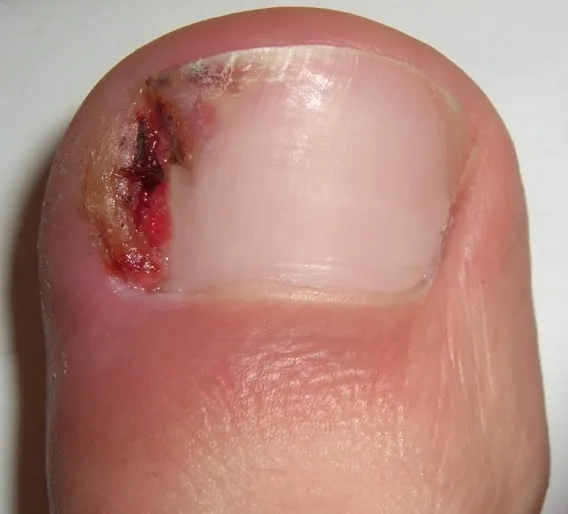
WeTreatFeet Podiatry is a renowned podiatric medical practice specializing in the treatment of various foot conditions, including the common and often painful problem of ingrown toenails. With a team of highly skilled podiatrists and state-of-the-art facilities, WeTreatFeet Podiatry has established itself as a leading authority in providing effective solutions for this ailment. Continue reading to explore the expertise and techniques employed by We Treat Feet Podiatry to treat painful ingrown toenails and alleviate associated discomfort.
Ingrown toenails occur when the edges of the nails grow into the surrounding skin, leading to pain, inflammation, and potential infection. This condition can be caused by various factors, such as improper nail trimming, wearing ill-fitting shoes, hereditary predisposition, or sustaining an injury to the toe. While ingrown toenails may initially seem like a minor inconvenience, they can escalate into significant discomfort if left untreated.
Comprehensive Examination and Diagnosis
At WeTreatFeet Podiatry, the first step in addressing ingrown toenails is a thorough examination and diagnosis. Our podiatrists will carefully assess the condition, taking into account the patient’s medical history and any underlying factors that may contribute to the problem. This standard evaluation allows the team to develop personalized treatment plans tailored to each patient’s unique needs.
Major Causes of Ingrown Toenails
- Improper Nail Trimming - One of the primary causes can be cutting the nails too short or not straight across. This forces the nail to grow into the surrounding skin
- Tight-Fitting Shoes or Socks - Shoes or socks that are too tight can press the nail into the toe skin, especially if the toes are crowded together
- Injury - Trauma to the toe, such as stubbing, can lead to abnormal nail growth and increase the risk of an ingrown toenail
- Poor Foot Hygiene - ingrown toenails develop if the feet aren't clean and or dry
- Fungal Infections - Toenail fungus can cause the nails to thicken or widen, making them more prone to growing into the surrounding skin.
- Genetic Predisposition - Some people are naturally prone to ingrown toenails due to the natural shape or thickness of their nails
- Physical Activities - Activities that involve repeated pressure on the toes, like certain sports or dancing, can contribute to the development of ingrown toenails.
- Abnormal Nail Structure - Naturally curved or thick nails are more likely to become ingrown.
Signs and Symptoms of Ingrown Toenails
Pain and Tenderness
One of the first signs is pain along one or both sides of the toenail. This tenderness is usually noticeable when pressure is applied to the toe
Redness
The skin adjacent to the ingrown toenail may appear red and feel warm to the touch, indicating inflammation
Swelling
The affected toe can become swollen and puffy due to the irritation and inflammation caused by the ingrown nail
Infection
If the ingrown toenail breaks the skin, it can lead to an infection. Signs of infection include increased redness, warmth, swelling, and drainage of pus
Overgrowth of Skin
In chronic cases, there might be an overgrowth of skin around the affected nail
Hardening of the Skin
The skin around the ingrown toenail may become hardened or thicker
Painful to Walk
Due to the tenderness and swelling, it can become painful to walk or wear shoes
Bleeding
Rarely, the area might bleed, especially if pressure is put on the toe
Conservative Treatments
For mild cases of ingrown toenails, WeTreatFeet Podiatry employs conservative treatments that aim to alleviate pain and encourage proper nail growth. These treatments may include soaking the affected toe in warm water, gently lifting the ingrown edge of the nail, and placing a small piece of cotton or dental floss under the nail to promote upward growth. The podiatrists may also provide guidance on appropriate nail trimming techniques and footwear choices to prevent further irritation.
Advanced Procedures
In more severe or recurrent cases of ingrown toenails, We Treat Feet Podiatry offers advanced procedures to provide long-term relief. One such procedure is a partial nail avulsion, where the problematic portion of the nail is carefully removed to allow healthy regrowth of that nail. Often, if the nail is growing under the skin, a chemical can be applied that makes a small portion of the nail not regrow. This minimally invasive procedure is performed under local anesthesia, ensuring patient comfort during the process. We Treat Feet Podiatry’s skilled podiatrists use their expertise to precisely trim the nail, eliminating the ingrown section, and alleviating the pain.
Post-Treatment Care and Prevention
- Following any procedure or treatment for ingrown toenails, WeTreatFeet Podiatry emphasizes the importance of proper post-treatment care and prevention.
- Patients are provided with detailed instructions on wound care, hygiene practices, and recommended footwear to promote healing and prevent recurrence.
- Our podiatrists also offer valuable advice on maintaining optimal foot health, including regular check-ups, proper nail trimming techniques, and suitable shoe selection
Experiencing Foot or Ankle Pain?
We're here to help. Connect with our expert doctors today.
Related Podiatric Skin Disorders
Athlete's Foot
Athlete's foot symptoms, causes, treatment & prevention. If it doesn't improve in 7–14 days, contact our Baltimore, Maryland podiatrists for diagnosis and care.
Learn more →Plantar Warts
Plantar warts are noncancerous skin growths that appear on the soles of the feet, caused by the human papillomavirus (HPV). They develop when the virus enters
Learn more →Toenail Fungus
Discover effective remedies to cure toenail fungus and restore healthy nails. Say farewell to discomfort and embarrassment with these proven solutions.
Learn more →Onychomycosis (Fungal Nail)
Onychomycosis is the medical term for fungal nail infection — chronic, contagious, and treatable.
Learn more →