Bunion Surgery: What to Expect from Your Procedure and Recovery
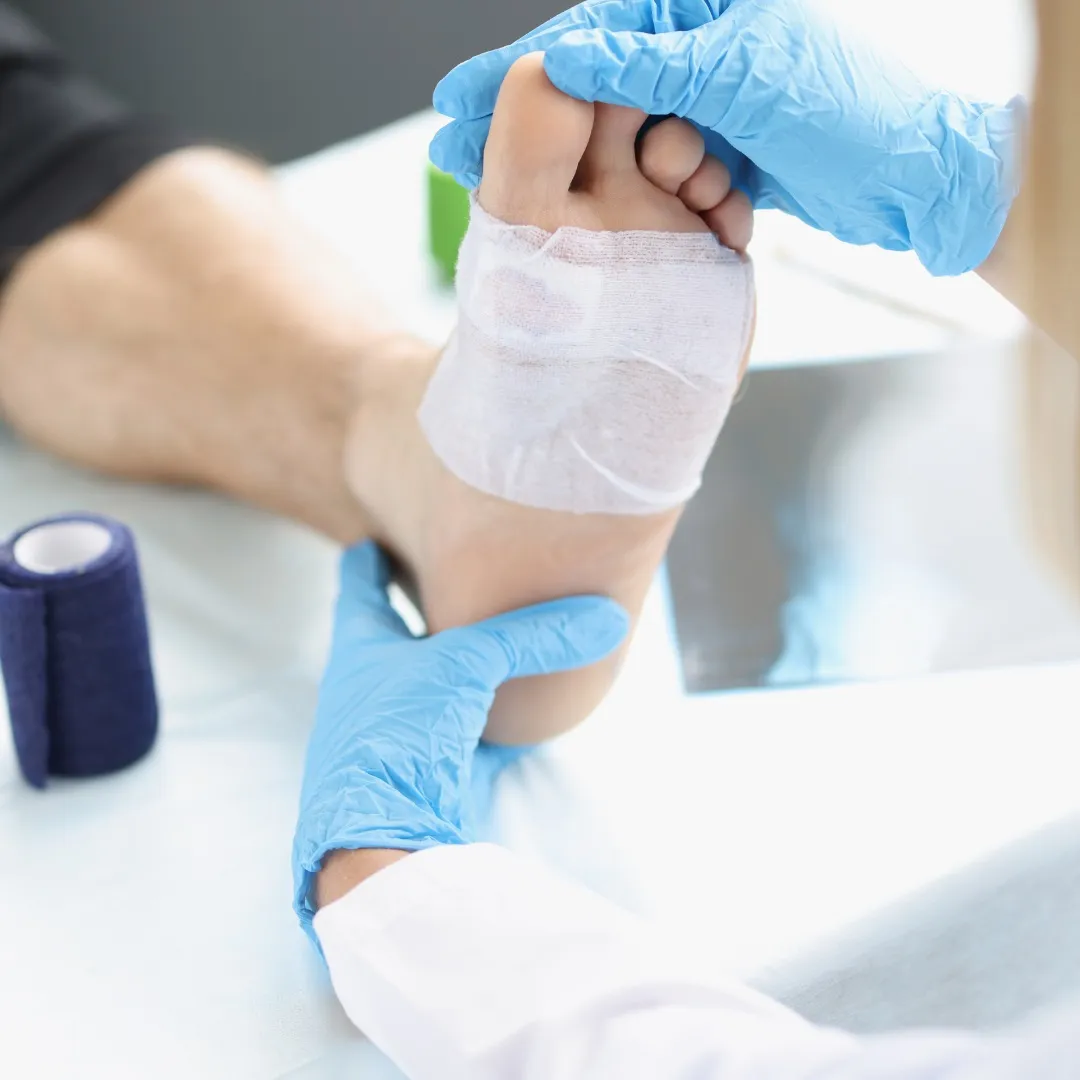
The Unspoken Compromise in Every Shoe Store
So you need Bunion Surgery? You see a pair of shoes you love. You know your size, but you ask for a half-size up anyway, hoping this time will be different. The length is fine, but that familiar, painful pressure on the side of your big toe joint tells the same old story. You put them back, defeated, and resign yourself to the “sensible” shoes that can accommodate your bunion.
This cycle of compromise—sacrificing style for comfort, avoiding activities you once enjoyed, planning your day around foot pain—is exhausting. It’s a daily negotiation with a condition that isn’t just a cosmetic issue; it’s a structural problem that actively limits your life. If this sounds familiar, you understand that ignoring the problem isn’t a solution.
Beyond the Bump: The Real Cause of Your Big Toe Pain
Many people believe a bunion is simply an overgrowth of bone. They spend money on pads, splints, and “correctors” hoping to push the big toe back into place. The truth is, a bunion (or hallux valgus) is a progressive bone deformity affecting the metatarsophalangeal joint, commonly called the MTP joint. The issue isn’t a bump; it’s the long bone in your foot (the first metatarsal) drifting out of alignment at the medial cuneiform, forcing your big toe to lean inward toward the proximal phalanx of your second toe.
This misalignment is the engine driving your pain. It creates the prominent bump that rubs against shoes, but it also destabilizes the entire foot joint, affecting your gait and potentially leading to secondary conditions like hammer toes, claw toes, or even osteoarthritis. Over time, this degenerative disease of the joint can cause persistent pain and stiffness that makes every step uncomfortable. The surrounding soft tissue, including ligaments and tendons, becomes stretched and inflamed as the joint capsule struggles to maintain proper joint alignment.
Conservative measures like wider shoes or custom orthotics can provide symptom relief, but they cannot correct the underlying structural problem. Pain relief medications such as NSAIDs or acetaminophen may reduce inflammation temporarily, but they don’t address the bone realignment your foot truly needs.
The critical insight: True relief comes not from accommodating the deformity, but from correcting it. This is the fundamental purpose of modern bunion surgery, often called a bunionectomy.
When pain and limitation become a daily reality despite conservative care, it’s time to consider a permanent solution. The goal of bunion surgery isn’t just to shave bunion bone away or remove the bump; it’s to realign the bone, restore proper foot mechanics, and eliminate the source of the pain for good.
Reclaiming Your Stride: The Goal of Modern Bunion Surgery
The thought of surgery can be intimidating, but today’s procedures are a world away from the outdated methods you may have heard about. Modern bunion surgery is about precision, stability, and a predictable return to function. Instead of a simple exostectomy—just shaving off the bump, which often leads to bunion recurrence—our approach addresses the architectural problem within your foot through proven surgery techniques.
Understanding Your Pre-Surgical Evaluation
Before any bunionectomy procedure, your surgeon will conduct a thorough physical exam to assess your big toe’s range motion, strength, and the severity of your deformity. A foot X-ray helps visualize the angle of misalignment, and in complex cases, other tests may be ordered to provide imaging of the bone structure. In the majority of cases, X-ray are the only tests needed, Your WeTreatFeet medical team may also review blood tests and discuss any supplements or anticoagulant medications you may be taking that could affect wound healing or increase the risk of blood clots.
Tailoring the Procedure to Your Foot
There is no one-size-fits-all bunion surgery. At WeTreatFeet Podiatry, our surgeons assess your unique anatomy, activity level, and the severity of the deformity to determine the best approach for deformity correction:
- Osteotomy: This common procedure involves making precise cuts in the bone to realign the joint. The osteotomy technique repositions the first metatarsal, and the bone is then secured in its corrected position with small screws or pins, allowing proper bone healing. For patients with arthritis affecting the joint, the osteotomy may be combined with additional soft tissue work to optimize outcomes.
- Arthrodesis (Lapidus Procedure or Lapiplasty): For larger, more unstable bunions, this joint fusion procedure corrects the deformity at its source—an unstable joint in the midfoot. By fusing this joint through arthrodesis, we create a stable foundation that prevents the bunion from returning and can address associated arthritis at the same time.
- Minimally Invasive Bunion Surgery: For certain candidates, we can perform the correction through tiny incisions using keyhole surgery techniques. This approach can lead to less swelling, reduced scarring, and a potentially faster initial recovery while still achieving the necessary bone realignment.
The outcome we aim for is universal: a structurally sound foot that allows you to walk without pain, wear the shoes you want to wear, and get back to the life you want to live.
Your Procedure Day: What Happens During Bunion Surgery
Understanding what happens on the day of your procedure helps ease anxiety and ensures you’re fully prepared. A bunionectomy is typically performed as an outpatient procedure, meaning you’ll return home the same day.
Anesthesia and the Surgical Process
Most bunion surgery is performed under regional anesthesia, which numbs your foot and lower leg while allowing you to remain awake or lightly sedated. This approach reduces the risks associated with general anesthesia and often results in better immediate pain control. Once the anesthesia takes effect, your surgeon will make the necessary incisions to access the bone, perform the planned osteotomy or other corrective work, address any damaged soft tissue, and secure everything with screws, pins, or specialized plates.
The procedure typically takes between 45 minutes and two hours, depending on the complexity of your case. Once complete, a surgical dressing is applied to protect the incision site, and stitches or sutures close the wound. You’ll be monitored in the recovery room while the medical team checks your vital signs, ensures your pain level is controlled, and confirms there’s no excessive bleeding or early signs infection.
What to Expect After Surgery: The First Critical Days
Your recovery begins the moment you leave the recovery room. A family member or friend will need to drive you home, as you won’t be able to operate a vehicle due to the lingering effects of anesthesia and medications. You’ll be discharged with a protective shoe or specialized footwear designed to keep weight off the surgical site.
Managing Pain and Swelling After Surgery
The first 48 to 72 hours are critical for setting the tone of your entire recovery. Your pain level will be highest during this period, but it can be effectively managed with prescribed medications and careful attention to elevation. Keep your foot elevated as much as possible to promote lymphatic drainage and reduce swelling. Ice application—20 minutes on, 20 minutes off—provides additional relief without risking damage to the healing tissues.
Watch for any warning signs that require immediate attention: fever above 101°F, excessive warmth or redness spreading from the incision, worsening pain that doesn’t respond to medications, or numbness that doesn’t improve could indicate complications such as infection, nerve injury, or blood vessel compromise. While serious complications like nerve damage, blood clots, or avascular necrosis are rare, recognizing early symptoms ensures prompt treatment.
Weeks One Through Six After Surgery: The Healing Journey
Your recovery is a phased process, and our team will guide you through every step. While each patient’s timeline is unique, understanding the general framework helps you plan appropriately and set realistic expectations.
The Initial Rest Phase (Weeks 1-2)
The first two weeks focus entirely on rest, elevation, and protecting your surgical site. You’ll remain non-weightbearing or limited weightbearing during this time. Some procedures may require using crutches, a knee walker (also called a knee roller), or another assistive device to move around your home. This is the crucial foundation for proper bone healing and wound healing. Your WeTreatFeet Physician will discuss the individual needs based on the procedure you have
During this phase, you’ll return for a follow-up appointment where your surgeon will examine the incision, potentially remove stitches, and take a foot X-ray to confirm proper alignment. Keep the surgical dressing clean and dry as instructed, and avoid any temptation to bear weight prematurely.
The Transition Phase (Weeks 2-6)
Depending on the procedure performed, you’ll gradually begin putting more weight on your foot while wearing a protective shoe or supportive footwear. This transition must be gradual—rushing weightbearing can compromise bone healing and risk bunion recurrence. Your surgeon may adjust your medications during this phase, transitioning from prescription pain relief to over-the-counter options as your comfort improves.
Long-Term Recovery After Surgery: Returning to Full Activity
The Strengthening Phase (Weeks 6-12)
Around the six-week mark, most patients transition into a supportive athletic shoe. We often recommend physical therapy at this stage to restore your range motion, rebuild strength in the intrinsic muscles of your foot, and improve balance. Your therapist will guide you through specific exercises designed to mobilize the big toe joint without stressing the healing bone.
Some patients experience residual stiffness during this phase, which is normal and improves with consistent therapy and gentle home exercises. Any persistent pain or numbness should be reported to your surgeon, as these could indicate nerve injury or other complications requiring attention.
The Return-to-Activity Phase (3-6 Months)
Swelling will continue to subside over several months, and you can gradually return to all your normal activities. High-impact activities like running or jumping typically resume around the four to six month mark, depending on your bone healing and the specific procedure performed. This is when you truly begin to feel the life-changing benefits of your bunion surgery—walking without planning around pain, choosing shoes based on style rather than necessity, and moving through your day with confidence.
Your Procedure and Recovery: What to Expect When You Choose an Expert
A successful outcome depends as much on the surgeon’s skill as it does on the procedure itself. Choosing a dedicated foot and ankle surgeon who specializes in these complex procedures is the most important decision you will make. Patients with complex needs, such as those requiring special attention for diabetic foot care, especially benefit from this specialized expertise.
“Our philosophy is simple: The right procedure, performed by the right surgeon, leads to a predictable and successful recovery. We don’t just fix the bump; we restore the foot’s natural function.”
– Dr. Mikel Daniels, Founder of WeTreatFeet Podiatry
At our 12+ locations across Maryland, Pennsylvania, and Washington DC, our team of board-certified surgeons uses advanced diagnostic tools and proven surgical techniques to ensure you receive the highest standard of care. Our surgeons are skilled in a wide range of procedures beyond bunion correction, including other types of foot surgery for complex conditions.
The Choice: Continued Discomfort or a Definitive Solution?
Living with bunion pain is a daily grind. It forces you to make small but constant compromises that add up over time, shrinking your world one step at a time. You can continue to accommodate the pain, or you can choose to address the problem at its source.
Modern bunion surgery offers a reliable and lasting solution that corrects the underlying deformity, eliminates pain, and restores your freedom of movement. Whether you need a straightforward osteotomy or a more comprehensive procedure to address arthritis and instability, the right surgical approach exists for your situation. The first step is understanding your options.
If you are ready to stop planning your life around foot pain, we are here to help. Schedule a consultation with one of our expert surgeons to discuss if bunion surgery is the right path for you.
Contact WeTreatFeet Podiatry today at 410-363-4343 or visit us online to book an appointment at one of our convenient locations across MD, PA, and DC.
FAQ: Bunion Surgery
What is bunion surgery?
Bunion surgery, also called bunionectomy, is a procedure that corrects the structural misalignment of the big toe joint rather than simply removing the bump. The goal is to realign the bones, improve foot mechanics, and reduce pain that has not improved with conservative care.
When should I consider bunion surgery?
You may want to consider bunion surgery if bunion pain is affecting your daily life, limiting activity, or making it difficult to wear regular shoes despite wider footwear, padding, or other non-surgical measures. Surgery is generally recommended for pain and function, not for cosmetic reasons alone.
Can bunions be fixed without surgery?
Non-surgical treatment can help reduce symptoms, but it does not correct the underlying deformity. Wider shoes, orthotics, toe spacers, padding, and anti-inflammatory medications may provide temporary relief, but they will not straighten the toe or reverse the bunion.
What types of bunion surgery are available?
Common bunion procedures include osteotomy, which repositions the bone with cuts and fixation, and arthrodesis, which fuses an unstable joint in more severe cases. In selected patients, minimally invasive bunion surgery may be an option and can offer smaller incisions, less soft tissue disruption, and a faster early recovery.
Is bunion surgery done as an outpatient procedure?
Yes. Many bunion surgeries are performed on the same day, so patients go home after recovery rather than staying overnight. Your surgeon will determine the safest anesthesia and postoperative plan based on your procedure and health history.
How long does bunion surgery take?
Most bunion procedures take about 45 minutes to two hours, depending on the severity of the deformity and the type of correction needed. More complex reconstructions, including fusion procedures, may take longer.
What is recovery like after bunion surgery?
Recovery usually involves elevation, protected weightbearing, and follow-up visits to monitor healing. Full recovery commonly takes up to six months, and some swelling can last even longer. Minimally invasive procedures may allow earlier return to shoes and activity in selected patients.
Will I need to use crutches or a knee scooter after surgery?
That depends on the procedure and your surgeon’s postoperative protocol. Some patients are non-weightbearing at first, while others may be allowed heel weightbearing or early protected walking in a surgical shoe. Your surgeon will give you specific instructions based on the type of bunion correction performed.
Is bunion surgery painful?
Bunion surgery can cause postoperative pain, but modern techniques and anesthesia are designed to improve comfort. Many patients have a nerve block or regional anesthesia, and pain is usually controlled with medication, elevation, and ice during the first few days.
What are the risks of bunion surgery?
As with any surgery, risks include infection, bleeding, nerve injury, anesthesia-related complications, delayed healing, stiffness, and recurrence. Your surgeon will review your individual risk factors and explain how to reduce complications before surgery.
Can bunions come back after surgery?
Yes, recurrence is possible after bunion surgery, although the risk depends on the type of deformity, the procedure chosen, and how well postoperative instructions are followed. Choosing the right operation for the right foot is an important part of reducing recurrence risk.
Who is a good candidate for minimally invasive bunion surgery?
A good candidate usually has a bunion that can be corrected safely through a smaller incision technique after a physical exam and weightbearing X-rays. Severe deformity, arthritis, or other foot problems may require a more open or complex procedure instead.
How do I know which bunion procedure is right for me?
The best procedure depends on your bunion severity, joint stability, arthritis, activity level, and overall foot structure. A consultation with a foot and ankle surgeon is the best way to determine whether osteotomy, fusion, or minimally invasive correction is most appropriate.
Considering bunion surgery? Learn about modern procedures, what to expect from recovery, and why choosing an expert podiatric surgeon in MD, PA, or DC is critical for a successful outcome.

WeTreatFeet Podiatry 410-363-4343
Learn more about Dr. Daniels, visit https://www.thepodiatryvoice.com
Foot or ankle pain?
Our team is here to help — book a visit at any of our 13 locations.