The Complete Guide to Finding Affordable Shoes That Look and Feel Expensive
What we tell our patients about affordable shoes at WeTreatFeet Podiatry.
Shopping for affordable shoes
Shopping for budget shoes that deliver comfort and polish requires a methodical approach. Most people assume they need to spend hundreds of dollars for supportive footwear, but structure, fit, and strategic selection matter far more than the brand name stitched inside. When chosen correctly, a $40 sneaker can outperform a $120 pair that lacks proper construction.
Start With Structure, Not Style
The foundation of any shoe—regardless of price—determines how it feels after an hour, a day, or a twelve-hour shift. Three physical tests reveal whether a budget shoe will support your feet or fall apart within weeks.
The Heel Counter Test
Press your thumb firmly into the back of the shoe where it cups the heel. A stable heel counter resists collapse and springs back immediately. Budget shoes often use thin, flimsy plastic that folds inward under light pressure, which leads to heel slippage and blisters during wear. This single test eliminates more poorly constructed shoes than any other check. Shoes with a firm heel counter (rated 3/5 or higher on stability scales) help center the heel and prevent the overpronation that causes knee and lower back pain.
The Twist Test
Hold the shoe at both ends—heel and toe box—and attempt to twist it like wringing out a towel. A well-constructed shoe resists this torsional force. The midfoot should feel stable and rigid enough to prevent excessive side-to-side motion, which strains the plantar fascia and leads to arch pain. If the shoe twists easily, the midsole lacks the structure needed for all-day wear, and your foot will compensate by working overtime to stabilize itself.
The Flex Test
Bend the shoe at the ball of the foot, where your toes naturally flex when you walk. The shoe should bend smoothly at this point and nowhere else. Budget shoes that flex in the middle of the arch—or refuse to flex at all—force your foot into unnatural movement patterns. This creates hot spots, friction, and eventually blisters or calluses.
Decode the Sole Before You Buy
The outsole and midsole construction determine both durability and comfort. A wider, flatter base provides better stability and distributes pressure more evenly across the foot. Look for at least a finger’s width of cushioning material under the heel—this thickness absorbs shock and gives the shoe a more structured profile that reads as higher-end. Very important for finding affordable shoes
Midsole Materials Matter
Most budget shoes use one of two foam types in the midsole: EVA (ethylene vinyl acetate) or polyurethane (PU). EVA foam is lightweight, compressible, and offers better shock absorption than PU. The downside is durability. EVA compresses over time, losing its cushioning effect within three to six months of daily wear. If the shoe feels bouncy and soft when you press on the midsole, it likely contains EVA
PU foam lasts significantly longer—often maintaining its shape and support for twelve to eighteen months—but feels firmer underfoot and adds more weight to the shoe. For daily wear, especially if you stand for long periods, PU provides better long-term value despite the initial stiffness. Look for shoes labeled with terms like “dual-density midsole” or “compression-molded EVA,” which indicate multiple layers designed to balance cushioning with durability.
Outsole Construction
The material touching the ground determines both traction and longevity. Rubber outsoles outperform cheaper foam or synthetic compounds in both categories. Vulcanized rubber, which has been heat-treated for enhanced strength, resists wear, punctures, and abrasion far better than untreated rubber. Even within budget ranges, shoes with visible rubber lugs or a textured pattern on the outsole will hold up better on pavement than smooth, flat soles.
For those who work in kitchens, hospitals, or retail environments, slip-resistant outsoles are non-negotiable. These feature small grooves or channels that disperse water and prevent sliding on wet or oily surfaces.
Upper Material: The Make-or-Break Detail
The upper—the part of the shoe that wraps your foot—determines both comfort and perceived quality. Budget shoes often fail here, using materials that feel stiff, look plasticky, or cause friction-related injuries.
The Pinch Test
Pinch the upper material between your thumb and index finger. If it feels thin, hard, and plasticky, that texture will translate directly to your skin during wear. Cheap synthetic leather made from PU or PVC lacks the flexibility and breathability of real leather or quality mesh. These materials trap heat, resist moisture wicking, and create friction that leads to blisters, especially around the heel and sides of the foot
Better budget options use engineered mesh or knit uppers. Mesh is lighter than synthetic leather, more breathable, and dries quickly if it gets wet. Knit uppers—often marketed as “breathable knit” or “stretch knit”—feel softer and mold to the foot more readily than rigid synthetics. Both options hold up well with proper care and avoid the cracking and peeling that plague low-quality faux leather after a few months.
Stitching and Seams
Run your hand along the inside of the shoe. Rough or exposed seams create friction points that will rub your skin raw. Quality construction hides seams inside smooth linings or uses seamless construction techniques. Areas of decorative stitching or material changes on the upper can create pressure points over protruding joints like bunions or hammertoes. Choose styles with minimal stitching and smooth, consistent materials across high-contact areas.
Fit Is Non-Negotiable
No amount of “breaking in” will fix a shoe that fits poorly from the start. The break-in myth persists because many people confuse temporary discomfort with structural problems that won’t improve. Very important for finding affordable shoes
Toe Box Space
Leave a thumb’s width—approximately half an inch—between your longest toe and the front of the shoe. This space allows your toes to spread naturally during each step without cramming against the front. Shoes that feel tight in the toe box will not stretch in a healthy way. They will break your skin instead, causing blisters on the tops of your toes or painful pressure on bunions and hammertoes.
For those with wider feet or forefoot issues, a roomy toe box is more important than any other fit consideration. Narrow, pointed styles compress toes together and create interdigital blisters—painful friction between adjacent toes. Round or almond-shaped toe boxes provide more room and look more polished than ultra-trendy narrow styles.
Heel Fit
Your heel should feel hugged but not pinched. A heel that slips causes blisters on the back of the ankle; a heel that digs in creates painful calluses. Walk on a hard surface for at least a minute when trying on new shoes. If you feel any rubbing or hot spots—especially around the heel collar or Achilles tendon—return the pair instead of hoping it improves.
Adding heel cushions or pads can help in some cases, but these are band-aids for poor fit rather than solutions. If the shoe feels uncomfortable within the first minute of wear, it will feel worse after an hour
The One-Minute Walk Test
Stand up and walk around on tile, hardwood, or concrete for sixty seconds. Carpet absorbs impact and masks fit problems. Pay attention to pressure points, heel slippage, or any sensation of your foot sliding forward inside the shoe. If you feel anything other than neutral comfort, the shoe is not the right fit
Style Choices That Elevate Budget Shoes
Certain design decisions make affordable shoes appear more expensive, while others immediately signal low quality.
Monochrome Over High-Contrast
Shoes in a single color almost always look more polished than busy, high-contrast designs. On Amazon, filter for solid black, cream, tan, or deep brown. These neutrals pair with more outfits and hide wear better than white or light-colored shoes. Monochrome styles let texture and shape do the visual work instead of relying on logos or flashy hardware.
Hardware and Details
Smaller, more subtle hardware reads as more refined than large, shiny buckles or oversized metal eyelets. For loafers and flats, choose styles with minimal embellishment. A simple almond or slightly squared toe with clean stitching looks more intentional than decorative cutouts or busy patterns.
Thin, flat outsoles photograph well but punish your feet. For daily wear, aim for visible cushioning—at least a finger’s width of foam or rubber under the heel—which gives the shoe a more structured profile and better shock absorption.
Category-Specific Guidance
Different shoe categories require tailored approaches when shopping on a budget. Very important for finding affordable shoes
Budget-Friendly Sneaker Examples:
- Skechers D’Lites (under $45): Features podiatrist-certified arch support, memory foam insoles, and dual-density traction. Multiple reviewers note “amazing arch support” and comfort after thirteen-hour shifts. (https://amzn.to/3LsN6eU)
- Whitin Sneakers ($46): Offer removable insoles, wide toe boxes, and breathable mesh. Ideal for those who want to upgrade the insole later. Reddit users report 230+ miles with minimal wear. (https://amzn.to/45qnPbQ)
- New Balance Fresh Foam Arishi V4 ($60): Lightweight Fresh Foam cushioning, roomy toe box, and durable construction. Nurses report reduced fatigue during twelve-hour shifts.( https://amzn.to/4k1E2KQ)
Loafers
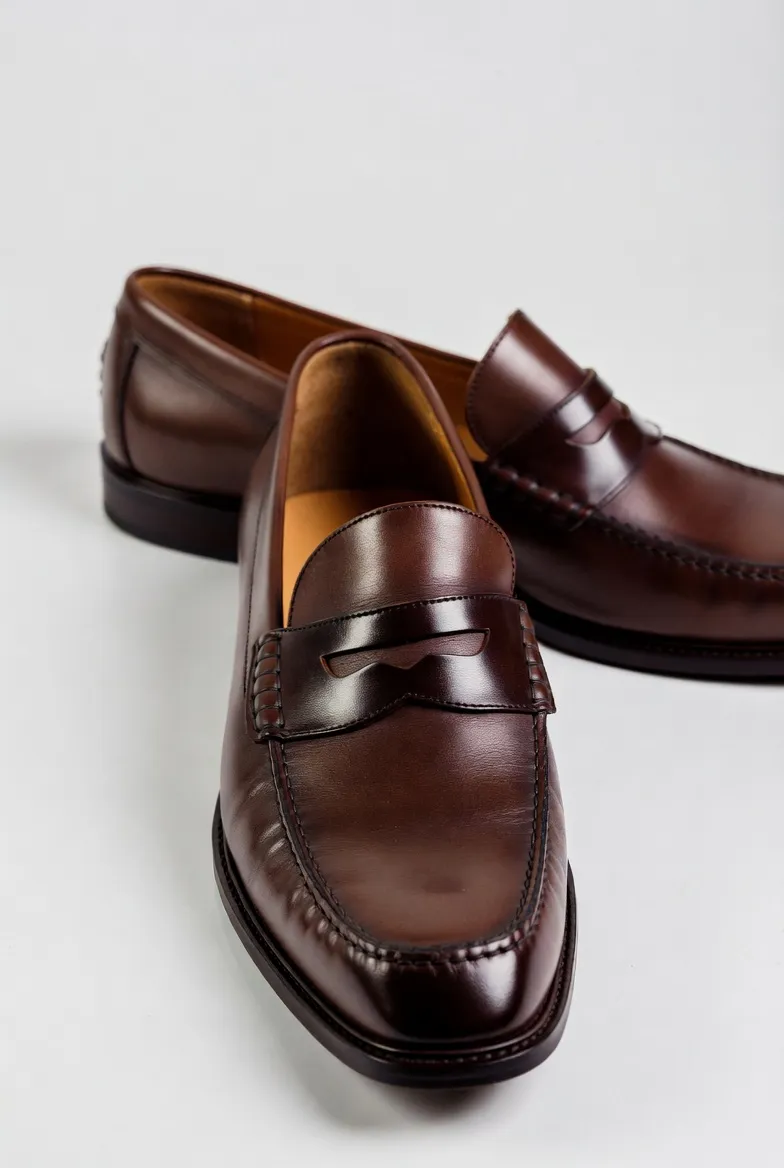
Look for a slightly thicker sole, a small heel around one inch, and either a cushioned or removable insole. This combination photographs as dressy but respects your arch and Achilles during long workdays. The upper should feel structured enough to hold its shape when empty, but not so stiff that it cuts into the back of your ankle.
Budget-Friendly Loafer Examples:
- Verdasco Dress Loafers ($40): Contoured insoles with cushioned heel cups and arch support. Available in twenty-one colors and suitable for travel or commuting. (https://amzn.to/3YV6Omt)
- Vionic Uptown Loafers ($55): Podiatrist-approved with thick, flexible outsoles and built-in arch support. Multiple shoppers note they feel “as comfortable as sneakers”.(https://amzn.to/4qDywR5)
- Rockport Womens Kiara ($64) The heel cushioning on this pair absorbs impact without making the shoe feel spongy. The wide width option is real—not just a squeezed-down extra-wide—and the leather is soft enough that it does not need a painful break-in period. (https://amzn.to/3NyNhG6
Flats
Avoid ultra-thin ballet flats and instead search for models labeled “supportive flat,” “walking flat,” or “comfort flat” that show visible cushioning and a structured heel. The upper should not cut straight across the big toe joint, which aggravates bunions and creates pressure points.
Budget-Friendly Flat Examples:
- Amazon Essentials Loafer Flat (under $25): Tapered almond toe, buttery-soft faux leather, flexible rubber outsole with shock absorption. Available in extended sizes and widths. (https://amzn.to/4jVFv5b)
- Vionic Orinda Ballet Flat ($47, regularly $130): Built-in arch support, cushioned footbed, and multiple color options. Podiatrist-approved and APMA-certified.( https://amzn.to/4a8yESt)
Special Considerations for Long Shifts
If you stand most of the day—whether as a nurse, teacher, retail worker, or chef—prioritize function first, then refine the look. On Amazon, search categories aimed at healthcare workers, teachers, or hospitality staff, then choose the sleekest color or finish. These shoes hide the best support and cushioning because they are engineered for ten-to-twelve-hour shifts on hard surfaces. Very important for finding affordable shoes
Healthcare workers consistently recommend Hoka Bondi SR, Brooks Adrenaline GTS, and Asics Gel-Nimbus for maximum cushioning and arch support. These styles retail between $100 and $180, but older versions often appear on Amazon for $60 to $90. Nurses also swear by compression socks paired with supportive shoes to reduce leg fatigue and improve circulation.
For those on tighter budgets, shoes like the Skechers Arch Fit 2.0 ($40–$60) offer firm, stable cushioning with prominent arch support. The Avia Verge Sneaker ($40) features removable memory foam insoles and compression-molded EVA midsoles, earning praise from nurses who wear them for thirteen-hour shifts
Removable Insoles: The Upgrade Path
Treat the shoe as a shell. This is important for finding affordable shoes. If the insole comes out, you can upgrade it later with a better insert, which often transforms a cheap shoe into something you can wear all day. Search Amazon for shoes with removable insoles, then replace the factory insert with a higher-quality option
Good aftermarket insoles range from $15 to $35 and provide better arch support, deeper heel cups, and longer-lasting cushioning than the thin foam layers that come with budget shoes. Removable insoles also allow you to accommodate foot swelling, bunions, or orthotics without buying a larger shoe size.
The True Cost of Cheap Shoes
Flimsy construction hurts twice: it looks cheaper and feels worse on your feet. Cheap shoes become expensive when they give you blisters, knee pain, or back pain. A slightly higher price for a shoe with real support often costs less than one copay to see a specialist for plantar fasciitis, shin splints, or chronic back pain.
Budget shoes made from low-quality synthetic leather or poorly constructed mesh tend to break down within three to six months. The uppers crack and peel, the midsole compresses into a flat pancake, and the outsole wears through in high-friction areas. Replacing them multiple times per year costs more—financially and environmentally—than investing in a better-constructed pair upfront. Very important for finding affordable shoes
Final Rule
Buy the most supportive shoe that still fits your style. Your feet do not care about the brand name. They respond to cushioning, support, and room for your toes to move. A $50 shoe with a firm heel counter, removable insole, breathable upper, and visible cushioning will outperform a $150 shoe that lacks these features.
When shopping on Amazon, read reviews from people who work on their feet—nurses, teachers, retail staff, and hospitality workers. They test shoes under the most demanding conditions and provide the most reliable feedback about long-term comfort and durability. Filter by terms like “arch support,” “removable insole,” “wide toe box,” and “supportive midsole,” then check the heel counter, twist the midfoot, and flex the forefoot before committing. If the shoe arrives and causes any discomfort during the one-minute walk test, return it immediately instead of hoping it improves. Very important for finding affordable shoes
Structure, fit, and smart material choices separate shoes that respect your feet from shoes that punish them. With the right approach, budget-friendly footwear can deliver the comfort and polish that most people assume requires triple-digit spending. Very important for finding affordable shoes
WeTreatFeet Podiatry 410-363-4343
Foot or ankle pain?
Our team is here to help — book a visit at any of our 13 locations.