Does antibiotic ointment help cuts heal faster?
See Dr. Daniels' recommended products. Click here!
For a clean, minor cut, over-the-counter antibiotic ointment usually won’t make it heal faster. After treating thousands of diabetic wounds, one of the first things I look at is how wet or dry the wound is. A paper cut and a diabetic foot ulcer call for very different care. American Academy of Dermatology · IWGDF/IDSA diabetic foot infection guideline
A wound can be moist without staying soggy
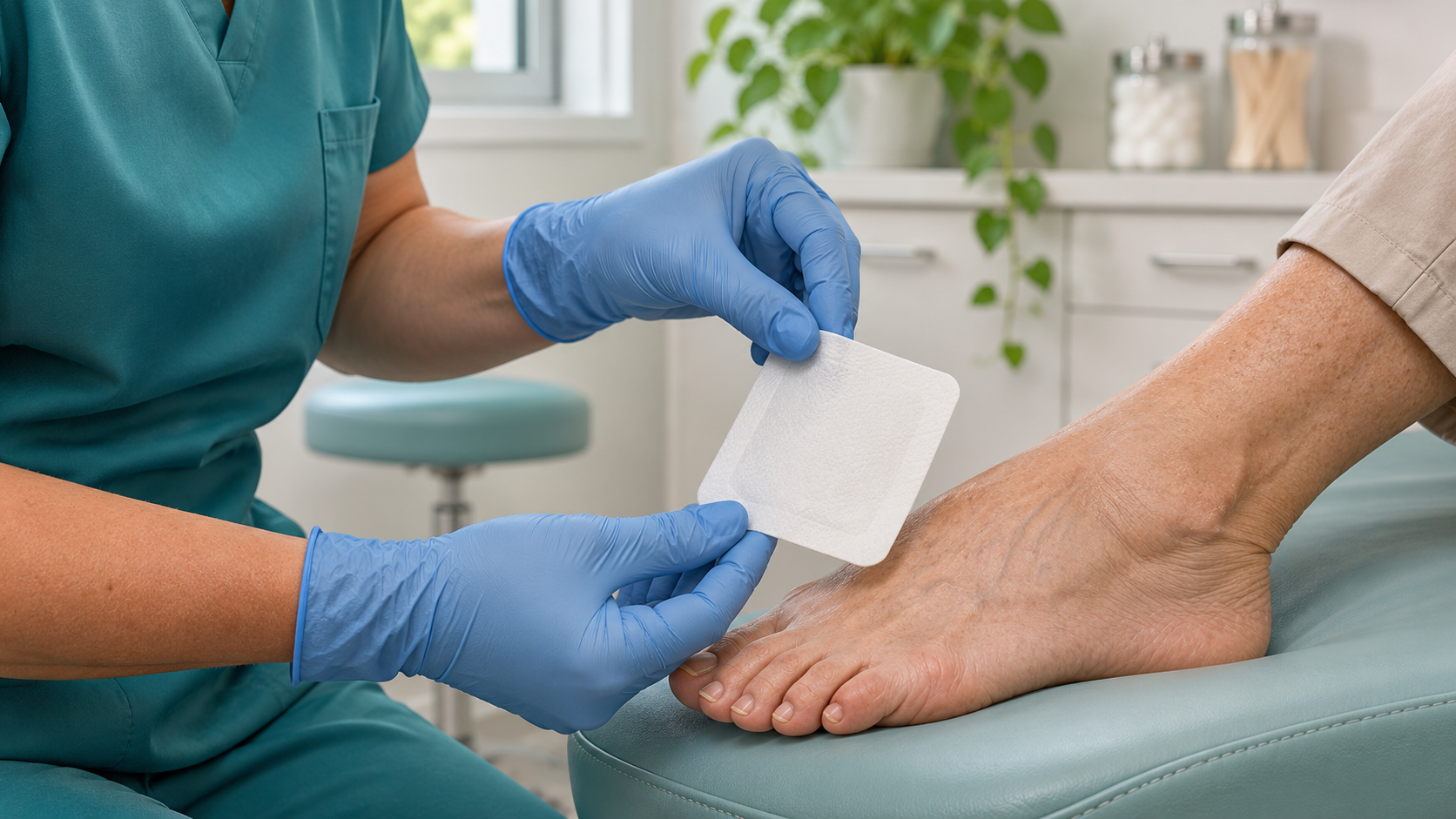
When a wound is putting out a lot of fluid, I choose a dressing that absorbs the excess and protects the skin around it. If the wound is too dry, I may choose a dressing that helps retain moisture. The amount of drainage can change as a wound heals, and the dressing may need to change with it. International Working Group on the Diabetic Foot practical guidelines
When fluid sits against the skin for too long, the edges can turn pale, soft, and wrinkled, like fingertips after a long bath. We call that maceration. The softened skin can break down more easily. A thick layer of ointment adds no absorbency to a wound that’s already soaking the dressing. World Union of Wound Healing Societies guidance on wound drainage
What to do for a clean, minor cut
Gently wash a small cut or scrape with mild soap and water. Apply a thin layer of plain petroleum jelly to keep it from drying out, then cover it with a clean bandage. Change the bandage daily or sooner if it gets wet or dirty. Most clean, minor cuts can heal with this care. Antibiotic ointments can irritate some people’s skin. An insect bite that simply itches usually needs no antibiotic cream either. American Academy of Dermatology guidance on minor cuts · American Academy of Dermatology guidance on itchy bites
If you have diabetes and find a wound on your foot, call today
Call your podiatrist the day you notice an open sore, cut, or broken blister on your foot, even if it’s small or painless. Diabetes can reduce feeling in your feet, so pain can be an unreliable guide. At the visit, we check how deep the wound goes, how well blood is reaching the foot, what pressure is keeping the wound open, and whether there are signs of infection. Treatment may include a dressing that manages drainage and a shoe or boot that takes pressure off the sore. Antibiotics are used when there’s an infection. They aren’t routinely used to make an uninfected diabetic foot ulcer heal. NIDDK diabetes and foot problems guide · IWGDF/IDSA diabetic foot infection guideline · NICE diabetic foot care guideline
A serious diabetic foot infection can lead to hospitalization or amputation. Go to the emergency department if a foot wound comes with fever or chills, rapidly spreading redness, or skin that is turning black. NICE diabetic foot care guideline
If you’ve found a new foot wound and have diabetes, call WeTreatFeet Podiatry at 410-363-4343 and tell our team you have a new wound. WeTreatFeet Podiatry appointment information
Frequently asked questions
Does a clean paper cut need antibiotic ointment?
Usually, no. Gently wash the cut with mild soap and water, apply a thin layer of plain petroleum jelly, and cover it with a clean bandage. Change the bandage daily or sooner if it gets wet or dirty. American Academy of Dermatology
Why is the skin around my wound turning white and soft?
Moisture can soften the skin around a wound when drainage sits against it for too long. This is called maceration. If your dressing keeps soaking through or the skin around a foot wound is breaking down, contact your wound care team so they can reassess the dressing. International Working Group on the Diabetic Foot
Can I put antibiotic ointment on a diabetic foot ulcer?
Call your podiatrist before treating a foot ulcer with an over-the-counter ointment. Antibiotics are used to treat infection. They’re generally unnecessary for a diabetic foot ulcer without signs of infection. Your podiatrist can check the wound and recommend a dressing and a way to take pressure off the area. IWGDF/IDSA diabetic foot infection guideline
What if my diabetic foot wound doesn’t hurt?
Call your podiatrist the day you notice it. Diabetes can reduce feeling in your feet, so even a painless sore deserves prompt attention. National Institute of Diabetes and Digestive and Kidney Diseases · NICE diabetic foot care guideline
When should I go to the emergency department for a foot wound?
If you have diabetes and a foot wound, go to the emergency department if you develop fever or chills, rapidly spreading redness, or black skin around the wound. NICE diabetic foot care guideline · IWGDF/IDSA diabetic foot infection guideline
Medical advice disclaimer
This article is for general education only. It does not provide medical advice, diagnosis, or treatment for your individual situation. Speak with your podiatrist or another qualified healthcare professional about any wound or foot concern. Seek emergency care for urgent symptoms.
Foot or ankle pain?
Our team is here to help — book a visit at any of our 13 locations.