Do You Have Fascia Pain? What is That?
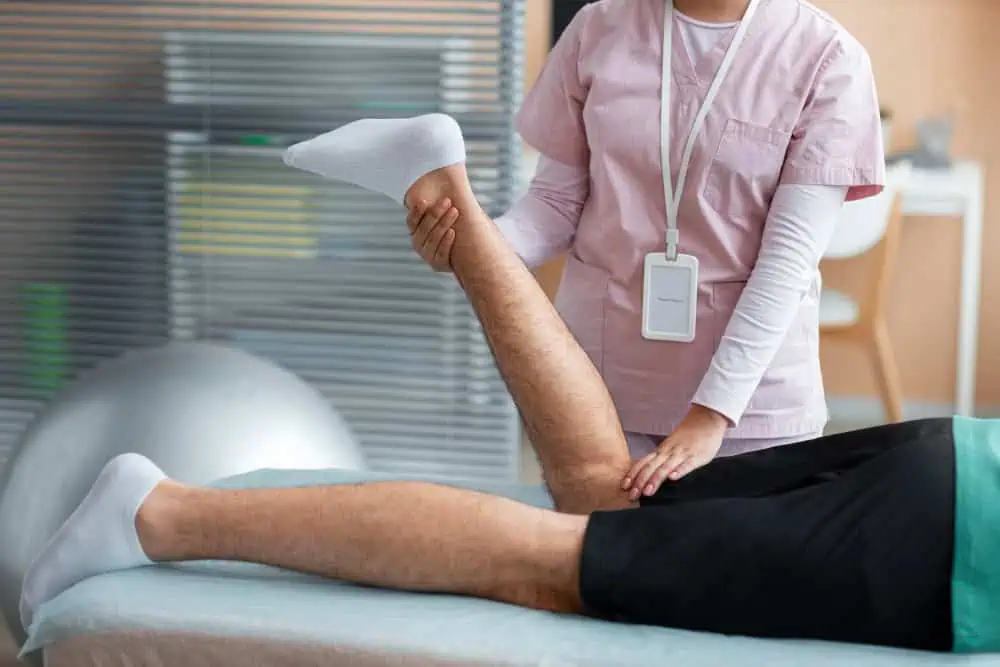
Facia Pain, What?
What is Fascia Pain? Fascia is a topic I discuss with patients all the time, especially those dealing with chronic pain, stiffness, or movement issues. Here’s my take on some common questions about fascia, based on both medical knowledge and years of working with real patients.
The Role of Fascia in Proprioception
Fascia is the connective tissue that wraps around muscles, bones, and organs throughout the body. It’s much more than packing material; it’s loaded with tiny nerve endings and sensory receptors. This makes fascia a big player in proprioception—the body’s ability to sense its position, movement, and balance. Basically, the nerves in fascia help tell your brain where your limbs are and how they’re moving, even with your eyes closed. I often see that when fascia gets tight or stuck, people feel “off-balance,” clumsy, or less coordinated. This is why you have Fascia Pain
Fascia and Scar Tissue Problems
Scar tissue is part of healing, but it’s not always helpful when it comes to Fascia Pain. After surgery or injury—like a ankle sprain, joint replacement or major fall—the body forms scar tissue, which can be thicker and less flexible than normal fascia. Scarred fascia doesn’t glide smoothly over muscles or bones, which can limit movement and cause pain. Patients often complain that things “just feel stuck,” or they lose flexibility where the scar tissue formed. In some cases, the abnormal pull from scarred fascia can even change the way people walk, leading to further joint issues down the line. This is facia pain.
Hands-On Treatments for Older Adults with Fascial Problems
For individuals over 50 experiencing Fascia Pain in the hip or pelvic fascial issues, it might be utilize hands-on treatment approaches. The typical approach involves commencing with gentle myofascial release techniques, employing slow, sustained pressure to alleviate restricted fascia. Depending on the patient’s specific needs, it may also incorporate assisted stretching, trigger point therapy, and guided movement exercises to restore optimal mobility. Careful attention is given to pain levels and individual tolerance, as older adults may have pre-existing joint or muscular conditions that influence the amount of pressure or stretch they can safely tolerate. In my clinical experience, regular fascial treatments have demonstrated the ability to enhance mobility, reduce pain, and enable patients to resume their normal activities. This however must be performed by a physical therapist, chiropractor, or other health professional. We at WeTreatFeet Podiatry refer our patients to specialists when treatment is needed.
Structural Integration/Rolfing in Treatment—Is It Typical?
Structural integration, often called Rolfing, is a specialized type of bodywork that aims to reorganize the connective tissues to improve posture and movement. While some practitioners swear by it, I don’t usually use it as a first-line treatment. For most patients, especially older adults, I find more gentle forms of fascial work to be safer and more comfortable. Rolfing can be quite intense and isn’t suitable for everyone, but it can help in specific cases with long-standing, severe fascial dysfunction when other methods have fallen short.
Thoughts on Somatic and Memory Imprints in Fascia
There is considerable research and theoretical discussion suggesting that the fascia may be associated with the retention of emotional trauma or memories and fascia pain. Some practitioners believe that releasing fascial restrictions can, in turn, trigger the recall of past memories, emotions, or physical sensations. While the scientific evidence remains inconclusive, I have observed patients report notable reactions during treatment, including emotional responses, feelings of relief, or recollections of past events. I maintain an open perspective regarding these experiences. Regardless of whether it is due to physical release, deep relaxation, or other factors, it is evident that our bodies can store stress in ways that are still being investigated.
Please note, this is not medical advice. Our hope is to introduce the topic so you can seek care from you physician, and have a better understanding of the problem, how we treat the problem, and how to recover from the problem.
Treatment Products?
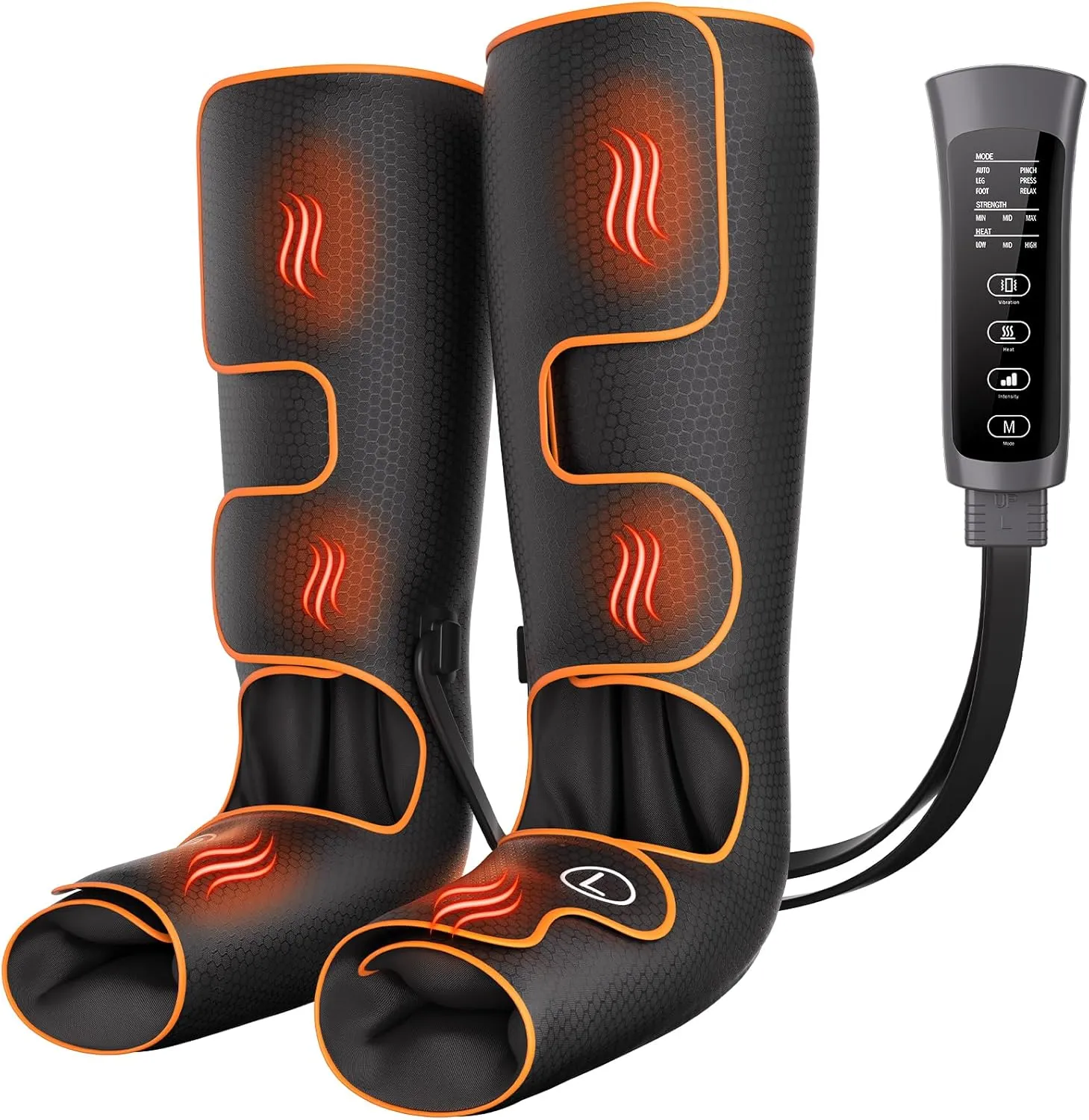
Our recommendations for fascia treatment
At WeTreatFeet, for our patients with fascia pain, we recommend the Leg Massager with Heat and Compression, Foot and Calf Massager for Circulation and Pain Relief (https://amzn.to/4k1TEOd)

WeTreatFeet Podiatry 410-363-4343
Foot or ankle pain?
Our team is here to help — book a visit at any of our 13 locations.