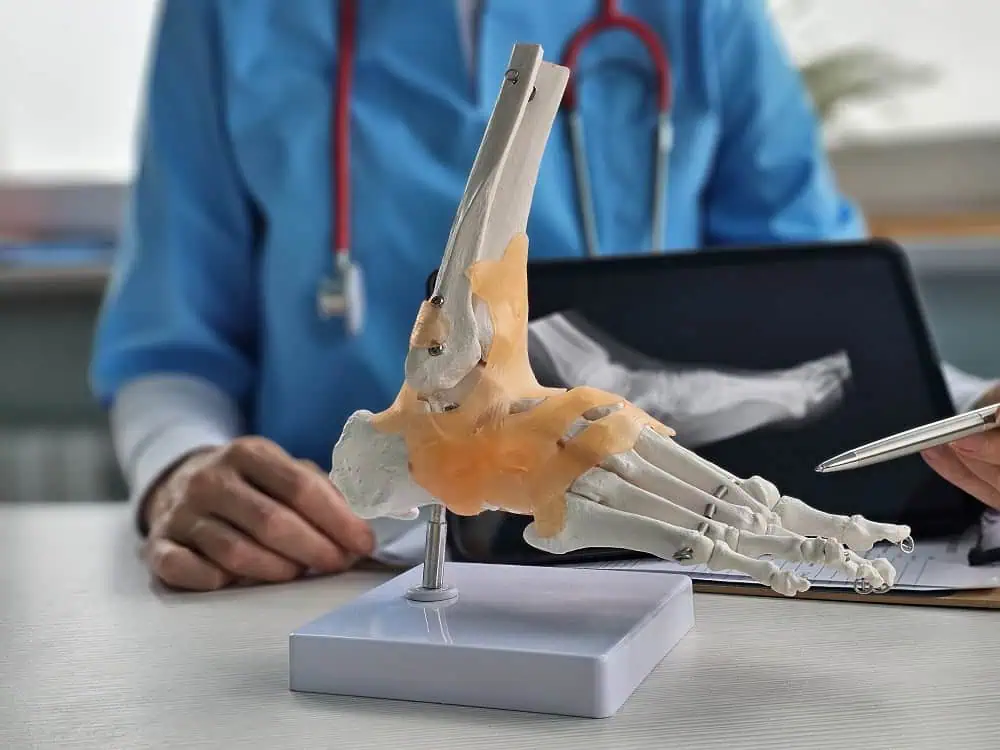
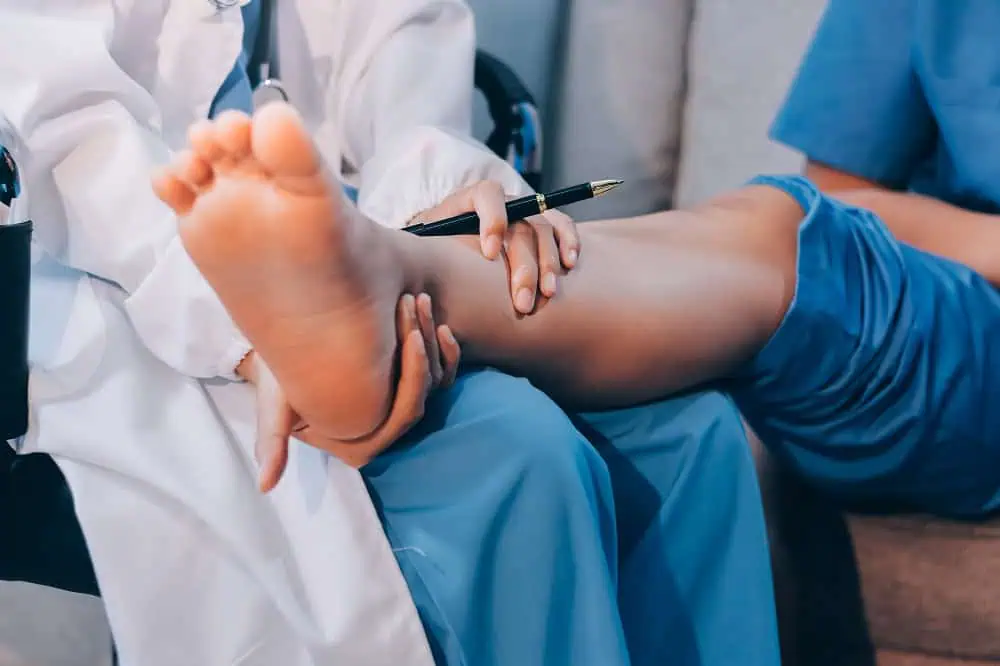
Toddler Hiking Boots: What You Actually Need to Know
Is your little explorer ready for the trail, or just a trip to the playground? When it comes to toddler hiking boots, the line between ‘cute’ and ‘clinically supportive’ is thinner than you think.
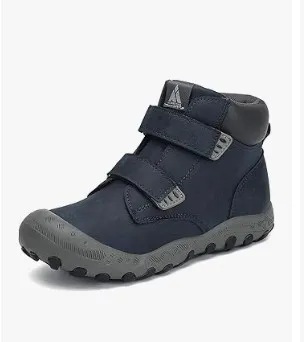
While the rugged medical boot pictured above is designed for recovery and maximum stability, it highlights a fundamental truth we teach at WeTreatFeet: proper ankle support and a structured sole are non-negotiable. For a childs, a hiking boot isn’t just a fashion choice—it’s a tool that protects their developing growth plates and prevents common slips on uneven terrain.
In this guide, we break down what parents actually need to look for—from heel cup rigidity to toe box width—to ensure your child’s first summit is safe, comfortable, and injury-free.
Toddler Hiking Boots: What You Actually Need to Know
This is an interesting topic, as adults spend time doing research and pricing of boots for their own hikes, but when they bring children, often buy something from a big box retailer. As a podiatry practice that deals with pediatric foot issues every single day, I can tell you that parents who care about their kid’s footwear are asking the right questions. You’re basically trying to figure out how to keep your wobbly little human safe on the trail without messing up their developing feet. That’s only the first step.
Let me break down what actually matters when it comes to hiking boot. We should also address when you even need them in the first place.
Do toddlers really need hiking boots?
Here’s the truth: for most short family hikes, your child doesn’t need traditional stiff hiking boots. Consider family walks or less than 2miles, on smooth terrain. I see the problems with families that push the limit of this all the time. Flexible sneakers or hiking shoes with decent grip are usually safer and more comfortable because they let those little feet move naturally and build strength the way they’re supposed to.
The research backs this up. Studies on child foot development show that overly rigid shoes during early childhood can actually interfere with natural arch development. This is why specialists like me consistently recommend flexible, lightweight shoes over heavy structured boots for young kids.
Here’s my rule of thumb:
For short, easy trails (parks, groomed paths, that kind of thing): flexible sneakers or light hiking shoes work great.
For rough, rocky, or really muddy trails, it is essential to consider a kids’ hiking shoe or mid-height boot that’s still fairly light and has some flex to it.
What actually keeps toddlers safe on trails?
When you’re thinking about safety, forget the word “boot” for a second. Focus on how the sole and upper (the part with the laces) actually does during the gait cycle, and how this is altered on an uneven terrain.
Here’s what we look for (and this isn’t just limited to kids):
Grippy outsole: You want a rubber sole with visible lugs. Lugs are those little bumps and treads that actually feel grippy when you touch them. Deep lugs help on loose dirt, mud, and wet roots. They reduce slipping on uneven surfaces, which is huge for toddlers who are still figuring out their balance.
Flexible, not floppy: You should be able to bend the shoe at the forefoot with your hands. If it’s basically rigid, it’s too stiff for most children. Flexible soles help kids feel the ground and adjust their balance on uneven terrain. That sensory feedback is critical for stability.
Ankle coverage vs. ankle freedom: A mid-height shoe or boot that comes just over the ankle can protect from rocks and help a bit with stability on rough trails. But there is a catch, if that shaft is really stiff or tight, some kids will actually trip more because they can’t move their ankles the way more than necessary
Secure closure: Let’s be realistic here. Velcro or Bungee/Velcro combos work way better than laces for children. The shoe needs to hug the midfoot and heel so their foot isn’t sliding around on side slopes or when they’re heading downhill. This can be accomplished with tie laces also, but do you really want to stop and retie the shoe every hour or so?
Our Recommended Hiking Boot for Toddlers
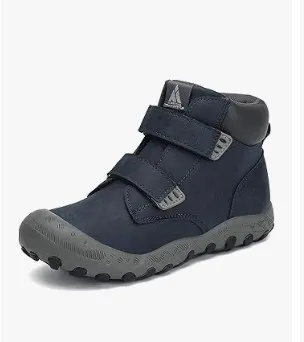
👟 Recovery from a foot or ankle injury often starts with the right support. A medical walking boot provides the stability needed to heal correctly while allowing you to maintain mobility. At WeTreatFeet Podiatry, we ensure your boot is fitted perfectly to match your specific recovery plan.
Fit and comfort matter more than you think!
I’m going to share a secret; comfort is the main safety feature. I see uncomfortable feet lead to tripping, compensation patterns, and frustrated kids on a regular basis. Do you really want your kid having a fit on the trail because their feet hurt?
Length of the boot (and shoes for that matter) are crucial. Aim for about a thumb’s width (roughly half a centimeter to 0.7 cm) of space in front of their longest toe when they’re standing. Too small causes blisters and toenail problems. Too big makes them clumsy and unstable on uneven ground.
Width and toe space: The forefoot needs to be wide enough for their toes to spread out and wiggle. Kids naturally curl their toes for balance on uneven surfaces, so if the toe box is too narrow, you’re stopping that natural movement and making them more likely to trip.
Heel and midfoot security: The heel shouldn’t lift more than a tiny bit when you pull gently at the back while they’re walking. If you see their foot sliding sideways when they step, it’s too loose and will be harder for them on uneven ground. Your foot naturally should not move in the shoe. The shoe is an extension of the foot. If the foot moves in the shoe, you will have problems.
Weight of the boot is also important. Kids already burn a ton of energy just walking. Heavy boots tire them out fast and mess with their gait. Foot specialists like me consistently recommend lightweight footwear at this age for better movement and less fatigue.
There are definitely times when a true kids’ hiking boot is worth it. If you’re regularly out on rocky, or very uneven trails, if you’re hiking in cold, wet conditions where waterproofing actually matters, or if your kid is a confident walker who spends a lot of time outside and you want one dedicated trail shoe, then a boot can really help.
When deciding on the boot, you want a lightweight to, mid-height boot with a flexible sole and solid traction. Avoid super-stiff mountaineering-style boost. The upper should be soft and roomy so it doesn’t pinch their ankle or toes, and the closure should let you snug things up around the midfoot so they’re not sliding around. Breathable materials are key, and if you’re often in wet conditions, a waterproof layer helps keep little feet from getting soaked by sweat or puddles. For warm-weather or water-heavy hikes, a kids’ hiking sandal with toe protection and good grip can be an awesome alternative. You need to let the feet move and breathe, and as long as the straps hold the foot securely, they usually handle trails just fine.
When you actually have the kids try the shoes on, whether you’re in the store or opening a box at home, there are a few red flags you need to remember. First, see if you can bend the shoe at the ball of the foot with your hands. If it barely moves, it’s probably too stiff for a child. Then watch how your child walks in them. If their steps suddenly look short and stompy, or they start tripping a lot more than usual, that’s not a good sign. Any red marks on their skin after 10–15 minutes of wear point to a fit problem somewhere, and when you press on the toe box, their toes should still be able to spread and not be squished together. If you’re stuck choosing between a heavy-duty boot and a lighter trail shoe, it’s usually safer for most kids to go with the lighter, flexible option that still has good grip. Their feet are still developing, and they need the freedom to move naturally so they can build the strength and coordination that will actually keep them safe on trails for years to come.
WeTreatFeet Podiatry 410-363-4343
Foot or ankle pain?
Our team is here to help — book a visit at any of our 13 locations.